Over the years, we’ve hosted more than 50 webinars covering everything from selecting the right solution to deep technical dives, helping finance and technology leaders navigate decisions with confidence.
10 Oil & Gas AI Opportunities Executive Teams Can Act On Now
A concise leadership guide to where AI can create measurable value today using operational data, governed workflows, and practical deployment patterns.
Where to Start
For oil and gas leaders, the highest-return opportunities are the ones where better decisions improve production, reduce downtime, strengthen safety, or lower risk.
- Start with one process that has a visible KPI.
- Ground AI in operational context such as telemetry, inspection data, engineering documents, and work history.
- Use governed integration so AI can retrieve data, prepare recommendations, and support teams without bypassing control or safety discipline.
The best AI programs do not start with a model. They start with a measurable process that is expensive, repetitive, and rich in operational data.
Why this matters now
- Oil and gas is already data rich. Wells, rigs, pipelines, terminals, and refineries generate continuous operational and engineering data.
- The opportunity is practical. The most valuable AI use cases are already visible in drilling, production, maintenance, reservoir surveillance, integrity operations, and OT support.
- The value comes from workflow integration. AI becomes useful when it retrieves the right context, explains what matters, and helps people act faster and with more confidence.
What good looks like
- One business owner and one executive sponsor.
- One defined process and 2-3 measurable KPIs.
- Read-only access to the right operational context first.
- Human approval for operational or safety-critical actions.
- A data platform that supports time-series, documents, search, and AI retrieval in one architecture.
Request the Full Whitepaper
In the oil and gas industry, AI rarely fails on capability. It fails when leadership skips the groundwork: a defined KPI, operational context the model can trust, and a workflow that respects safety and control discipline.
Top 10 Executive Priority Areas
Each card summarizes one high-value area and one practical example for executive review.
Production Monitoring
1
Recover deferred production by identifying underperforming wells sooner.
Example
Example
- Well anomaly agent
- Fast revenue impact
Predictive Maintenance
2
Reduce unplanned downtime by spotting failure patterns early.
Example
Example
- Rotating equipment failure agent
- Reliability and cost control
Drilling Operations
3
Improve rate of penetration and reduce non-productive time.
Example
Example
- Real-time drilling risk agent
- High-cost environment
Reservoir Management
4
Improve field planning and recovery decisions.
Example
Example
- Reservoir surveillance copilot
- Better capital allocation
Pipeline Integrity
5
Prioritize risk and integrity action more effectively.
Example
Example
- Smart-pig triage agent
- Safety and compliance focus
Seismic & Geological Surveys
6
Accelerate interpretation and improve prospect review quality.
Example
Example
- Seismic interpretation copilot
- Exploration risk support
Well Logging (MWD/LWD)
7
Improve geosteering and formation evaluation decisions.
Example
Example
- Geosteering assistant
- Real-time subsurface context
SCADA Systems
8
Turn remote operations data into clearer operational action.
Example
Example
- Alarm intelligence agent
- OT-informed visibility
Terminal & Storage Tanks
9
Improve inventory control, safety, and scheduling.
Example
Example
- Inventory reconciliation agent
- Measurement confidence
Refinery Control Systems
10
Support yield, quality, and process stability decisions.
Example
Example
- Process optimization copilot
- Downstream value focus
1. Production Monitoring
Well Anomaly Agent : Uses production and lift data to rank wells by revenue-at-risk and surface the most actionable next steps.
The fastest route to value is often the simplest: identify underperforming wells sooner and help teams act faster.

Data In
- Flow rate
- Pressure and temperature
- Water cut and artificial lift data
- Workover history
AI Play
- Ranks wells by revenue-at-risk
- Identifies likely root cause
- Prepares a recommended next action
Executive Outcome
- Faster deferred-production recovery
- Better field prioritization
- Clearer economic focus
One Example to Act On Now
- Use Case: a well anomaly agent that monitors production behavior and highlights the wells most likely to benefit from immediate intervention.
- How It Helps: it reduces manual review by producing a ranked daily list with probable causes such as scale, gas interference, pump degradation, or reservoir decline.
- Best Fit: operators with large well counts, artificial lift complexity, or a visible deferred production backlog.
Leadership Focus
- Primary KPI: deferred production recovered.
- Action: start with one field or asset family.
- Guardrail: recommendations first, human approval before intervention.
2. Predictive Maintenance
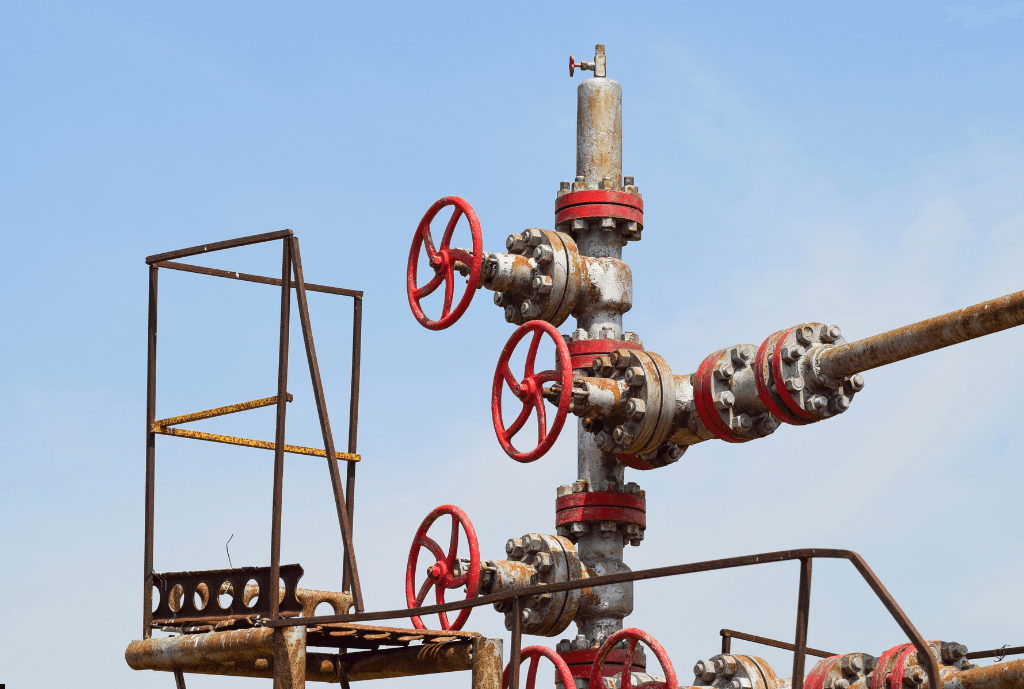
Rotating Equipment Failure Agent : Move from reactive maintenance to planned response by using condition data to predict failure risk and draft the next maintenance step.
If the business depends on rotating equipment, predictive maintenance is one of the most direct and scalable AI opportunities available today.
Data In
- Vibration
- Temperature
- Pressure and current draw
- Maintenance history
AI Play
- Predicts failure risk
- Explains the likely failure mode
- Prepares a draft work order
Executive Outcome
- Lower unplanned downtime
- Improved reliability
- Better use of labor and spares
One Example to Act On Now
- Use Case:a failure prediction agent for pumps, compressors, turbines, ESPs, and generators.
- How It Helps:it recognizes patterns across condition-monitoring signals and work history, then alerts reliability teams before a minor issue becomes an outage.
- Best Fit: upstream pads, midstream compressor stations, and downstream plants where availability materially affects production.
Leadership Focus
- Primary KPI: unplanned downtime avoided.
- Action: choose one asset class with good sensor and work-order history.
- Guardrail: human approval before any maintenance dispatch or parts commitment.
3. Drilling Operations
Real-Time Drilling Risk Agent : Use live rig telemetry and offset-well context to identify emerging drilling risks and recommend the next-best operational response.
Drilling is a high-cost environment where earlier insight can reduce non-productive time and improve decision quality shift by shift.

Data In
- Torque, RPM, and WOB
- Mud flow and standpipe pressure
- Vibration and ROP
- Offset well context
AI Play
- Flags stuck-pipe and lost-circulation patterns
- Explains probable cause in plain language
- Suggests next-best drilling response
Executive Outcome
- Reduced non-productive time
- Safer, faster response
- Improved drilling economics
One Example to Act On Now
- Use Case: a drilling risk agent that continuously evaluates drilling behavior and alerts teams when early patterns suggest a problem is forming.
- How It Helps: it translates large telemetry volumes into a simple operational brief: what changed, why it matters, and what actions to evaluate.
- Best Fit: operators with high daily rig cost or recurring NPT categories.
Leadership Focus
- Primary KPI: NPT reduction and drilling cycle time.
- Action: start on one rig or one drilling program.
- Guardrail: AI recommends; drilling teams approve.
4. Reservoir Management
Reservoir Surveillance Copilot : Bring pressure, production, injection, and simulation context together to identify the next reservoir question that needs attention.
Reservoir decisions are capital decisions. AI helps leadership move from scattered technical inputs to clearer field-level tradeoffs.
Data In
- Production rates
- Pressure and injection data
- Water cut and GOR
- Simulation and completion history
AI Play
- Identifies pressure support gaps
- Flags breakthrough or compartment risks
- Generates scenario recommendations
Executive Outcome
- Better capital allocation
- Higher confidence in field planning
- Improved recovery decisions
One Example to Act On Now
- Use Case: a surveillance copilot that continuously reviews field behavior and highlights the next reservoir questions that need attention.
- How It Helps: it surfaces conformance issues, injection imbalance, or underperforming zones as they emerge.
- Best Fit: fields with waterflood or gas-injection complexity, large well counts, or frequent surveillance meetings.
Leadership Focus
- Primary KPI: production uplift or recovery-factor improvement.
- Action: start with one field where surveillance data is available.
- Guardrail: use AI for scenario support, not autonomous reservoir control.
5. Pipeline Integrity & Inspection
Smart-Pig Triage Agent : Convert dense inline-inspection data into a ranked anomaly list that helps integrity teams focus on the segments that matter most.
Pipeline integrity combines safety, compliance, and capital discipline. AI helps teams turn inspection detail into clearer priorities.

Data In
- ILI / smart-pig findings
- Pressure history
- Repair records and GIS context
- Consequence and class location data
AI Play
- Ranks anomalies by severity and urgency
- Explains why follow-up is recommended
- Prepares integrity review packages
Executive Outcome
- Reduced safety exposure
- Better compliance readiness
- More focused remediation spending
One Example to Act On Now
- Use Case: a smart-pig triage agent that turns inspection results into an action-ranked anomaly list for integrity teams.
- How It Helps: engineers spend less time sorting large datasets and more time addressing the few segments that matter most.
- Best Fit: operators with recurring ILI programs, growing integrity backlog, or strong audit requirements.
Leadership Focus
- Primary KPI: high-risk anomalies addressed on time.
- Action: pilot on one pipeline system or inspection cycle.
- Guardrail: preserve audit trails and formal approval workflows.
6. Seismic & Geological Surveys
Seismic Interpretation Copilot : Use seismic, well, and document context to surface likely structures, analogs, and uncertainty areas faster.
Exploration teams already manage huge subsurface datasets. AI can reduce interpretation effort and improve prospect review quality.Pipeline integrity combines safety, compliance, and capital discipline. AI helps teams turn inspection detail into clearer priorities.
Data In
- 2D, 3D, and 4D seismic data
- Well logs and offset wells
- Geological reports
- Historical interpretation notes
AI Play
- Highlights likely faults and horizons
- Retrieves analog prospects and prior interpretations
- Summarizes uncertainty and exploration risk
Executive Outcome
- Faster interpretation cycles
- Better prospect review packs
- Improved decision consistency
One Example to Act On Now
- Use Case: a seismic interpretation copilot that combines seismic data with offset wells and prior geological work.
- How It Helps: it shortens the time needed to assemble evidence and prepares better structured prospect review material.
- Best Fit: exploration teams with large interpretation backlogs or fragmented subsurface knowledge stores.
Leadership Focus
- Primary KPI: cycle time from interpretation to review.
- Action: begin with one basin or one asset team.
- Guardrail: maintain expert review of all subsurface conclusions.
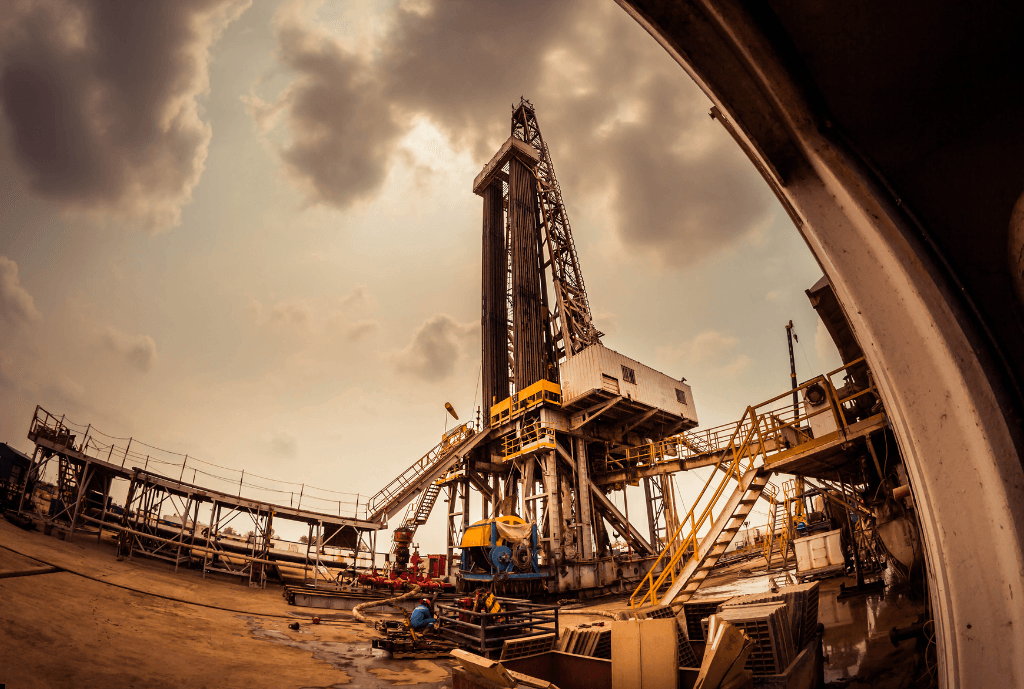
7. Well Logging (MWD/LWD)
Geosteering Assistant : Use live downhole measurements and offset-well context to keep the wellbore in zone and improve formation evaluation decisions.
MWD and LWD streams become more valuable when AI can combine them with geological models and drilling context in real time.
Data In
- Gamma ray and resistivity
- Density, neutron, and sonic
- Inclination and azimuth
- Offset well interpretations
AI Play
- Flags likely zone exit or model mismatch
- Suggests steering response options
- Supports first-pass formation evaluation
Executive Outcome
- Better placement in target intervals
- Reduced interpretation delay
- Higher confidence field execution
One Example to Act On Now
- Use Case: a geosteering assistant that compares live measurements with the planned geological model.
- How It Helps: it tells teams when the bit may be drifting out of zone and prepares steering options faster.
- Best Fit: horizontal drilling programs where staying in zone is critical to economics.
Leadership Focus
- Primary KPI: time in target zone.
- Action: pilot on one geosteered drilling program.
- Guardrail: geosteerers retain final decision authority.
8. SCADA Systems
Alarm Intelligence Agent : Use replicated historian and alarm data to summarize exceptions, correlate alarm patterns, and improve operational visibility.
SCADA environments already provide a rich operational picture. AI can help remote operations teams separate signal from noise without increasing control-system exposure.

Data In
- SCADA signals and historian data
- Alarm and event streams
- Asset metadata
- Shift and operator notes
AI Play
- Summarizes alarm floods
- Highlights nuisance or repeating events
- Produces a ranked operating brief
Executive Outcome
- Better situational awareness
- Improved handoffs and response quality
- Stronger OT-informed decision support
One Example to Act On Now
- Use Case: an alarm intelligence agent that summarizes what changed across a remote operation in the last shift or day.
- How It Helps: it reduces alarm overload and produces a cleaner action-ranked summary for supervisors.
- Best Fit: operations with remote wells, compressor stations, terminals, or dispersed assets.
Leadership Focus
- Primary KPI: time to identify and respond to important events.
- Action: start with read-only replicated SCADA or historian data.
- Guardrail: do not connect AI directly to control actions.
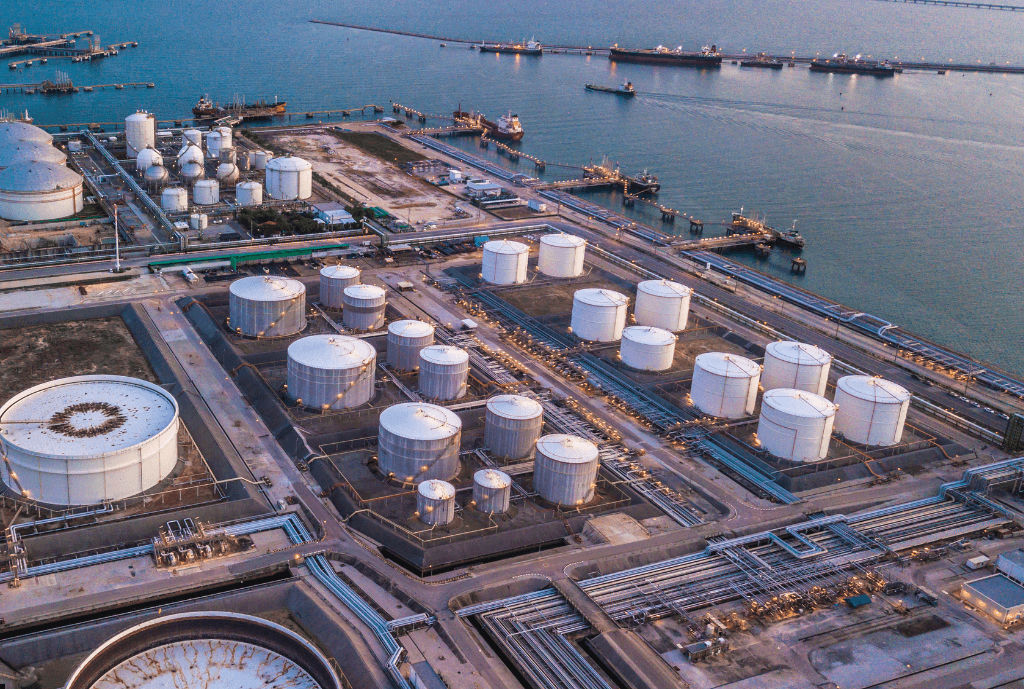
9. Terminal & Storage Tank Management
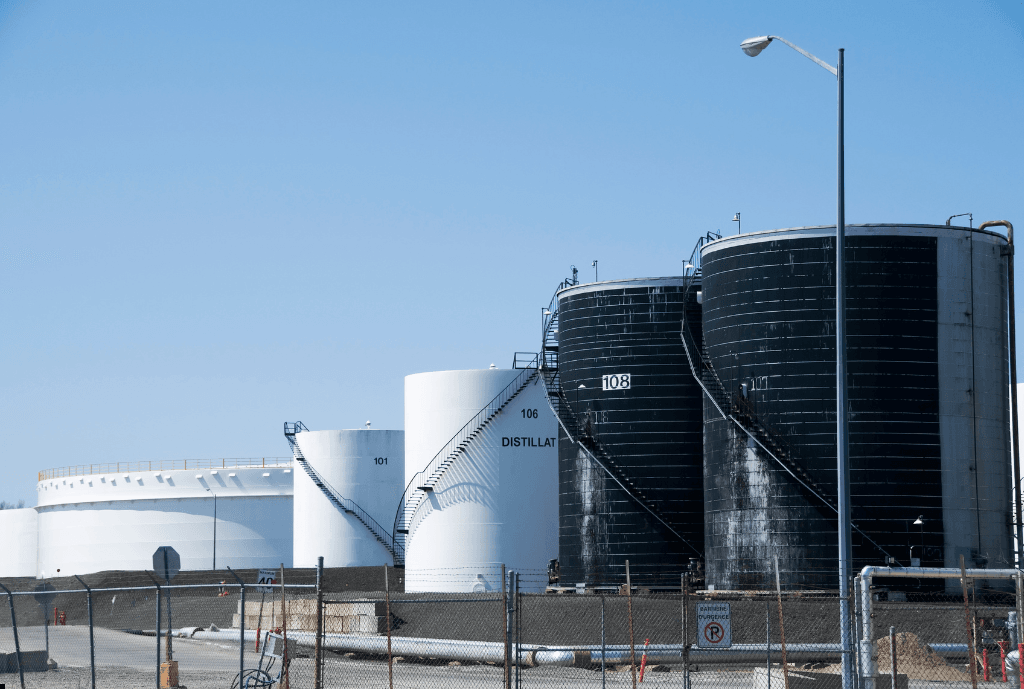
Inventory Reconciliation Agent : Compare tank, meter, transfer, and quality data automatically to surface imbalance, shrinkage, or scheduling issues earlier.
Terminals and tank farms generate valuable measurement and movement data that can be used to improve reconciliation, scheduling, and safety.
Data In
- Tank gauge readings
- Meter runs and transfer tickets
- Temperature correction data
- Lab quality and nomination records
AI Play
- Flags shrinkage or reconciliation gaps
- Detects abnormal movement patterns
- Suggests inventory or schedule follow-up
Executive Outcome
- Improved inventory confidence
- Lower measurement risk
- Better scheduling and safety visibility
One Example to Act On Now
- Use Case: an inventory reconciliation agent for tank farms and terminal operations.
- How It Helps: it compares tank, meter, and transfer records automatically and flags issues before they become reporting or operational problems.
- Best Fit: operators managing multiple tanks, frequent movements, or complex transfer schedules.
Leadership Focus
- Primary KPI: reconciliation variance reduction.
- Action: begin with one terminal or storage site.
- Guardrail: keep operator approval for all custody and movement decisions.
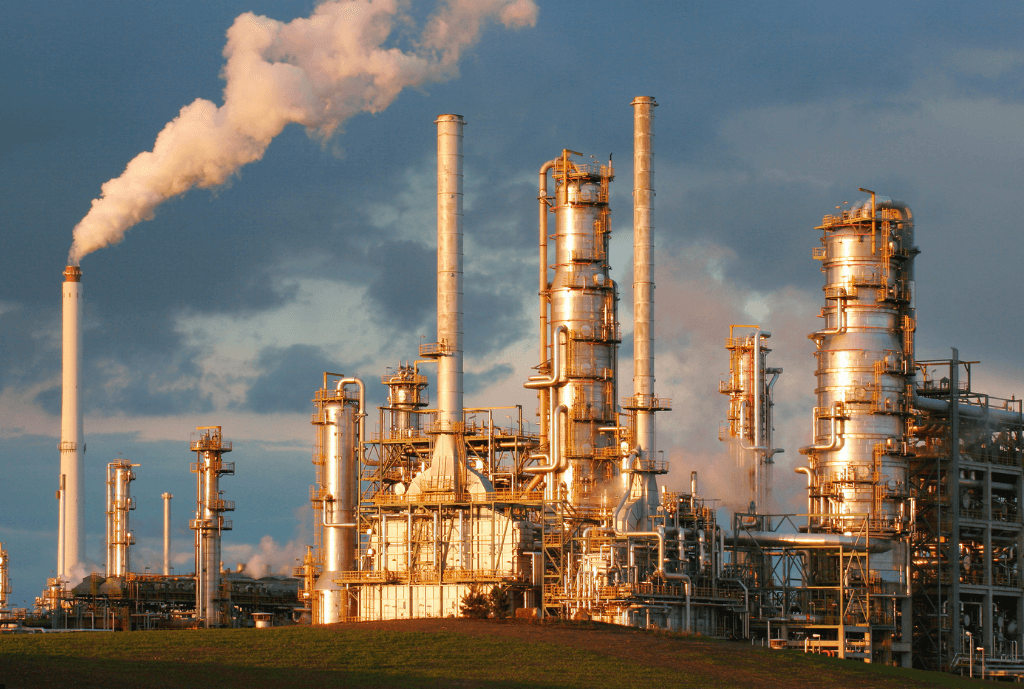
10. Refinery Control Systems
Process Optimization Copilot : Combine process, quality, and maintenance context to identify safer operating windows and support faster process decisions.
Downstream operations are rich in process data. AI can help leadership improve yield, energy efficiency, and quality decisions while maintaining strong control discipline.Terminals and tank farms generate valuable measurement and movement data that can be used to improve reconciliation, scheduling, and safety.
Data In
- DCS and historian data
- Feedstock and unit conditions
- Lab and quality data
- Maintenance and operating procedures
AI Play
- Highlights process-unit optimization opportunities
- Predicts off-spec risk
- Suggests response options for operators and engineers
Executive Outcome
- Better yield and energy decisions
- Improved process stability
- Stronger quality assurance support
One Example to Act On Now
- Use Case: a process optimization copilot for a selected refinery unit or process train.
- How It Helps: it combines current conditions with quality and maintenance context to identify operating adjustments worth evaluating.
- Best Fit: sites with clear quality, yield, or energy-intensity improvement targets.
Leadership Focus
- Primary KPI: yield, energy, or off-spec reduction.
- Action: pilot on one process unit with strong historian coverage.
- Guardrail: AI supports decisions; it does not directly control the process.
A simple 90-day playbook for executive teams
Keep the first phase narrow, measurable, and production-minded.
Choose One Area
Select the process with the clearest pain point and the best data readiness.
Define the KPI
Use 2-3 business metrics such as downtime avoided, deferred production recovered, or NPT reduced.
Map the Data
Identify the telemetry, documents, inspections, and work systems required for the use case.
Govern the Workflow
Use read-only retrieval first and require human approval before operational or maintenance actions.
Build for Scale
Choose an architecture that supports operational data, AI retrieval, auditability, and integration from day one.
What Delbridge Brings
- Practical data modernization and integration experience.
- Ability to connect AI to real operational workflows.
- Governance-first delivery for enterprise and OT-adjacent use cases.
What MongoDB Adds
- A flexible data platform for documents, time-series, and operational context.
- Native search and vector-search support for retrieval-based AI.
- A strong foundation for agentic applications and governed MCP integration.